
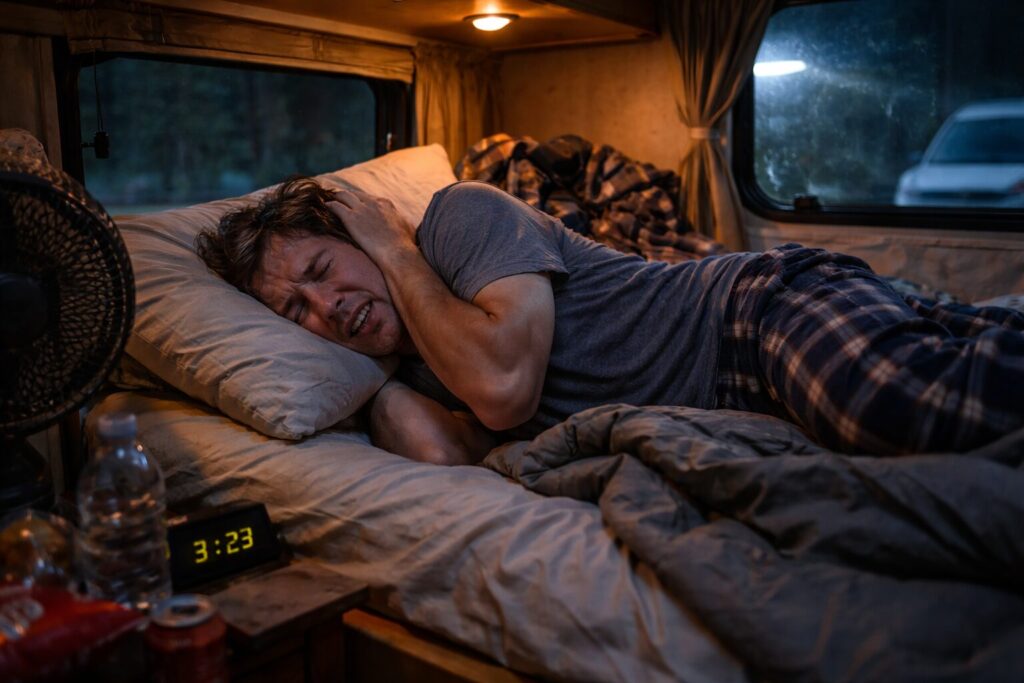
If you’ve ever woken up in your RV feeling like you slept on a sheet of plywood… you’re not alone.
RV beds are famous for looking cozy — and feeling like a gym mat by midnight.
Whether you’re weekend camping with the kids or road-tripping across provinces and state lines, sleep matters. A bad night in an RV doesn’t just mean sore hips. It means cranky mornings, tired drivers, and kids who melt down before breakfast.
The good news? You don’t need to replace your entire RV to fix this.
Here’s exactly how to make an RV bed more comfortable — from simple budget upgrades to full sleep-system overhauls that actually work.
Why Are RV Beds So Uncomfortable?
Before fixing the problem, it helps to understand it.
Most RV mattresses are uncomfortable for four main reasons:
1. They’re Too Thin
Many factory RV mattresses are 4–6 inches thick. That’s not enough support for most adults and barely enough for kids. When you lay on it, it’ll squish down to nothing and you’ll feel the wood underneath. Because of this, RV mattresses are especially uncomfortable for side sleepers like myself.
2. They Sit on Plywood
Unlike home beds, RV mattresses often sit directly on solid plywood platforms — no box spring, no slats, no airflow. There is no cushion in that plywood and just as you’d expect, wood is about as comfortable to sleep on as a rock.
3. Odd Sizes
RV beds (short queen, RV king, bunk sizes) don’t always match residential dimensions. That limits sheet and topper options. Some beds are shorter to save space. In our hybrid camper, 2 beds are just over 6 feet in length which works fine for us. The third bed is under 6 feet so the kids sleep in it. I have slept in before, but with my legs curled.
4. They’re Built for Weight, Not Comfort
Manufacturers prioritize lightweight materials over plush sleep quality. It’s not necessarily the fault of them as they need to save costs and keep the weight as low as possible for towability and advertising.
However, the result for RV mattresses is pressure points, overheating, and restless nights.
Luckily, throughout our years of camping in our RV, we’ve found some ways to make the mattresses more comfortable and to be honest, I now find our RV bed nearly as comfortable as our bed at home. Here’s what we’ve done:
7 Proven Ways to Make an RV Bed More Comfortable
You can do one of these for better comfort — or layer several together for a sleep system that you won’t want to leave in the morning.
1. Add a High-Quality Mattress Topper (Biggest Comfort Upgrade)
If you do one thing only, do this. This is the one thing that made a huge difference in the way we sleep in the travel trailer. As a side sleeper, I know longer wake up with sore shoulders every morning.

A good mattress topper can completely transform a thin RV mattress.
What to Look For:
- 2–3 inches thick minimum
- High-density memory foam (not cheap egg crate foam)
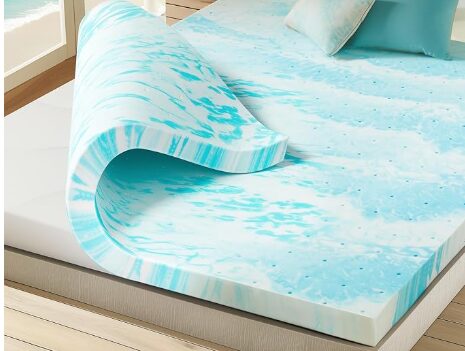
- Cooling gel if you camp in summer
- CertiPUR-US certified foam (safer for kids)
For family RVers, a topper is often the sweet spot between comfort and cost.
Pro Tip:
If you have an RV short queen (60×75), buy a standard queen topper and trim it carefully with an electric carving knife.
It’s surprisingly easy.
2. Replace the RV Mattress Entirely
If your mattress is sagging, lumpy, or under 5 inches thick, replacement may be worth it.
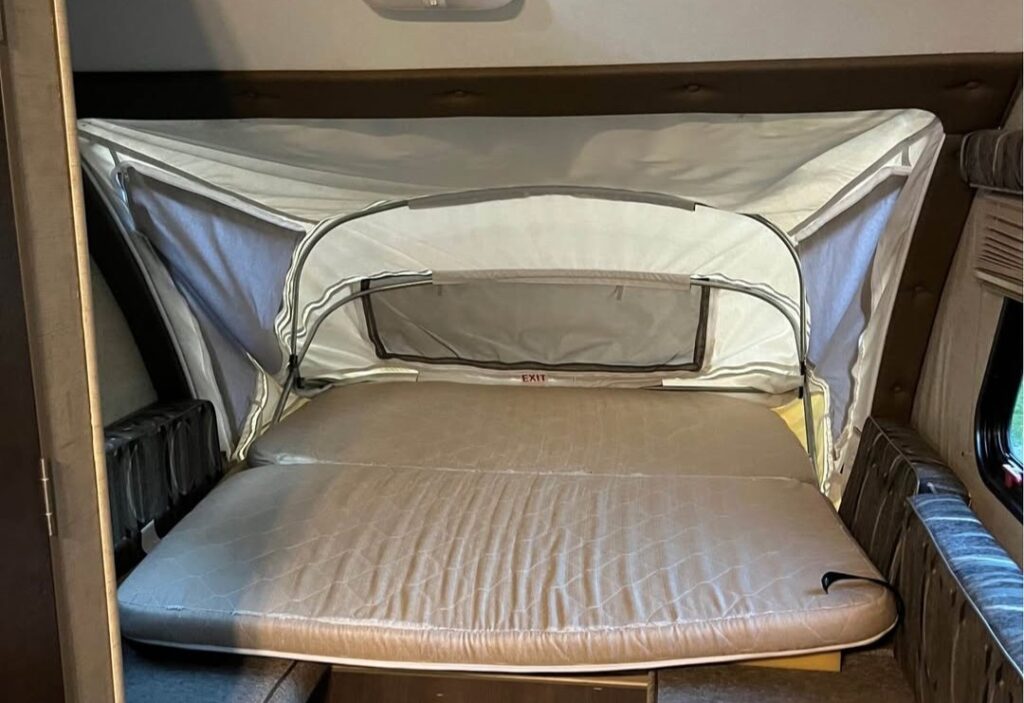
When replacing, consider:
- RV-specific mattresses (lighter, correct dimensions)
- Residential mattresses (if weight and height allow)
- Hybrid foam + coil options for better airflow
Families who RV more than 10–15 nights per year often find replacement pays off in better sleep and happier mornings.
With our travel trailer being a hybrid with 3 bed tip-outs, we wouldn’t have this option, but I know several people who have replaced the mattresses and absolutely love it. This is especially easy if you’re in a seasonal campsite and you don’t need to worry about towing weight.
3. Improve Airflow Under the Mattress (Underrated Fix)
This is one most people never really think about, but ventilation does make a difference in the comfort of your sleep.
Because RV mattresses sit on solid plywood, moisture builds underneath which causes dampness, cold surfaces, mildew and that “clammy feeling”
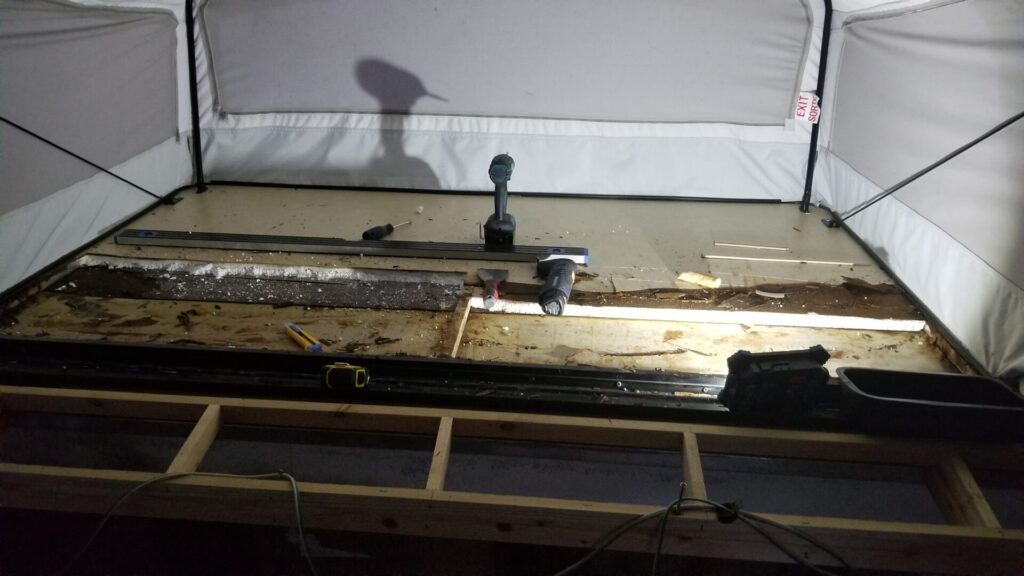
Adding a ventilation layer under the mattress improves both comfort and longevity in your equipment.
RV mattress ventilation options include:
- Hypervent-style underlays
- Slatted bed bases
- DIY mesh airflow mats
If you camp in shoulder seasons or cooler climates, this alone can noticeably improve sleep warmth.
4. Add a Mattress Pad + Quality Bedding
Sometimes the issue isn’t the mattress itself — it’s the bedding on top. Thin sheets and low-quality pads don’t add any cushion or temperature control. And sleeping bags aren’t really necessary for RV camping. This is another upgrade that made all the difference for us. Of course, storing all of that extra gear is another consideration, but we’ve found it to be well worth it for our sleep.
Upgrade to:
- A quilted mattress pad
- Deep pocket sheets that actually fit RV sizes
- Breathable cotton or bamboo fabric
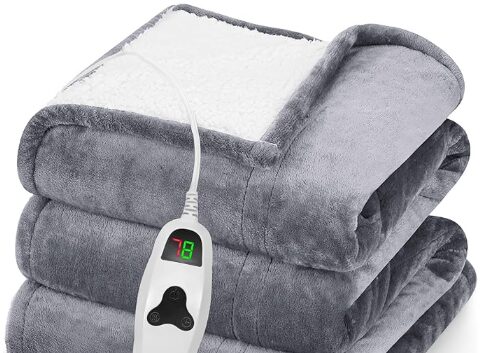
For family camping, having soft, home-like bedding makes a surprisingly big psychological difference for kids. We even use a heated blanket for those early spring and late fall camps.
It makes the RV feel less “temporary.”
5. Fix the Plywood Base (For DIYers)
If you’re handy, this is something that can make a big difference to the comfort of your RV sleep.
That hard plywood base can be modified by:
- Drilling ventilation holes to allow airflow
- Installing slats instead of a solid platform, allowing a bit mor cushion in between
- Adding a thin layer of rigid insulation for cold-weather camping
Cold-weather RVers especially benefit from adding insulation between the plywood and mattress. Without it, body heat gets sucked into the wood underneath.
6. Address RV Bed Length Issues
Many RV beds are shorter than residential sizes which means cramped legs or feet hanging over the edge of the bed.
If your feet hang off the edge:
- Remove or modify the headboard to gain a little extra length
- Extend the platform (DIY)
- Add a small extension panel at the foot of the bed
Short beds are common in RVs to maximize living space — but that doesn’t mean you have to sleep curled up.
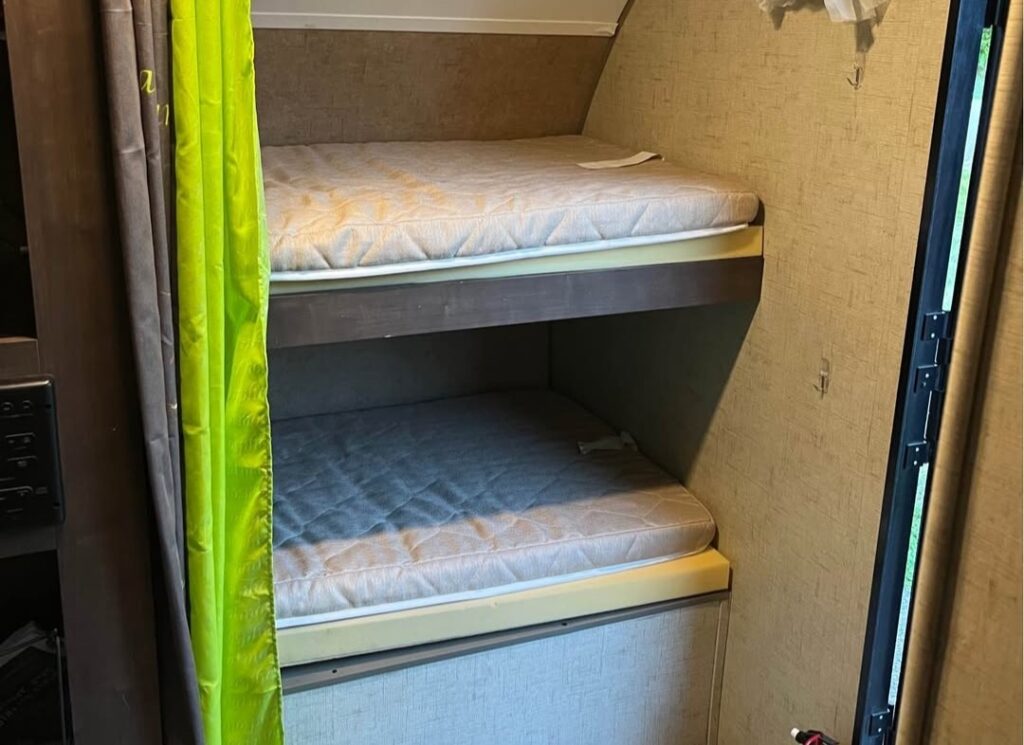
7. Layer Your Sleep System (Best for Families)
This is what many experienced campers do and it’s how we get the best sleep possible while camping in our RV from early spring all the way to late fall..
Instead of relying on one fix, layer:
- Ventilation underlay
- Mattress
- 2–3” topper
- Quilted mattress pad
- Breathable sheets
- Season-appropriate blankets
This approach allows you to adjust comfort based on weather, trip length, and who’s sleeping there.
For example:
- Kids’ bunks may only need a topper.
- The main bed may need full layering for adults.
If the cold is the main issue with your sleep while camping, then this guide may just help: Why You’re Always Cold While Tent Camping? (And What Actually Helps)
How to Make RV Bunk Beds More Comfortable for Kids
RV bunk mattresses are often even thinner than the main bed because they are designed with kids in mind. While kids are lighter, they still get a better sleep with a more comfortable system, especially as they approach teenage years.
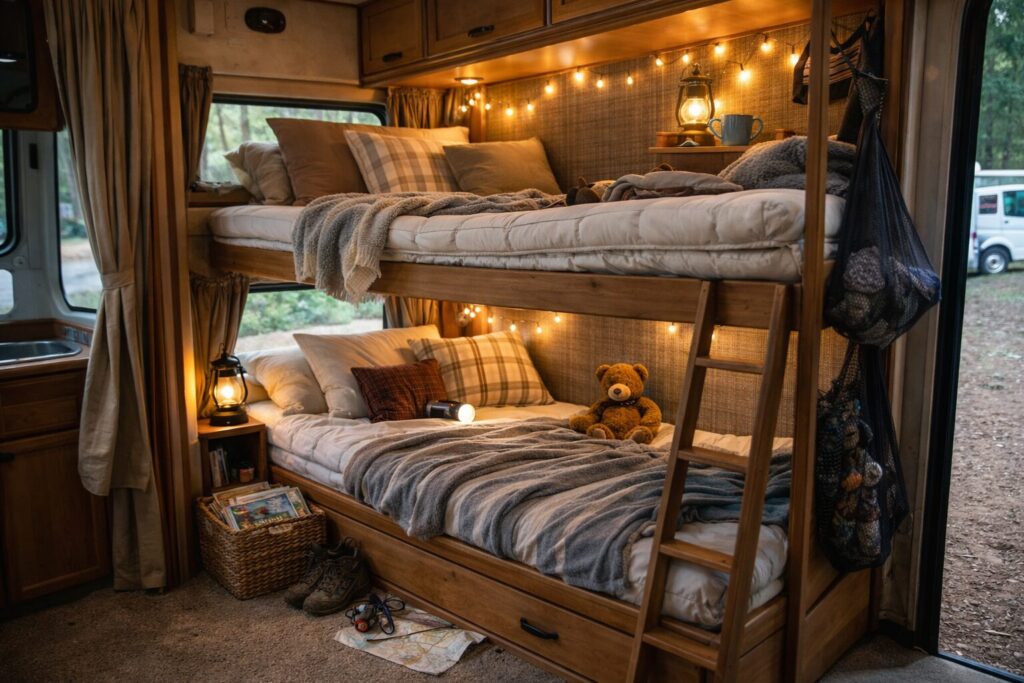
Here’s what works best for families:
✔ Add a 2-inch foam topper
Even thin bunk beds can usually accommodate this, but before purchasing anything make sure to check the available height space.
✔ Use soft fitted sheets
Rough RV sheets can irritate sensitive skin. Soft sheets create a comfort system without adding thickness.
✔ Add a cozy comfort layer
Kids sleep better when their space feels “theirs.” Small throw blankets or familiar bedding help, but also comfortable pillows and even stuffed animals.
✔ Consider temperature
Bunks near exterior walls can get cold. Add extra insulation or warmer blankets in shoulder seasons.
If you’ve written about tent camping sleep systems, this connects naturally to your broader family sleep content.
Budget vs Premium Comfort Fixes
You don’t need to spend thousands of dollars to make your RV mattress more comfortable. Here’s a simple breakdown based on price range:
Under $100:
- Mattress topper
- Mattress pad
- Better sheets
$100–$500:
- High-quality topper + ventilation layer
- Custom-cut foam
$500+:
- Full mattress replacement
- Slatted base conversion
For most families, the topper + airflow combo solves 80% of the problem.
Seasonal Comfort Adjustments
RV sleep comfort changes by season, especially if you’re like me and prefer to keep the furnace and AC unit turned off. Here’s what works best for different seasons:
Summer Camping:
- Cooling gel topper helps to feel a little cooler on the hot, humid nights
- Breathable sheets
- Moisture-wicking mattress protector
Spring and Fall Camping:
- Insulation under mattress
- Flannel sheets
- Duvet
- Heated mattress pad (with shore power)
- Heated blankets
Cold RV beds are a common complaint — especially in Canada and northern states.
Layering properly solves most of it.
Common Mistakes to Avoid
❌ Buying a 1-inch topper
Too thin to make any difference. It might be ok for small children, but adults will still feel the plywood underneath.
❌ Ignoring airflow
It’s not something that really comes to mind, but leads to moisture, mold and discomfort.
❌ Using regular queen sheets on short queen without adjusting
If they don’t fit right, they will bunch up and ruin sleep quality. Plus you’ll be constantly fixing them in the morning.
❌ Going too thick
If your mattress becomes too tall, it may interfere with slide-outs or cabinetry. Bunk beds can become extremely cramped and hard to get into.
Measure carefully before upgrading.
Is It Worth Fixing an RV Bed?
If you use your RV regularly and want to get a better sleep — yes, absolutely. We spend about a third of the day sleeping, and a bad sleep can ruin much of the remaining two thirds. That’s why we prioritize sleep, especially when camping. That way we’re energized for hikes, swimming, kayaking and all the activities that make camping so much fun for the whole family.
Better sleep:
- Improves mood
- Reduces driving fatigue
- Makes trips more enjoyable
- Helps kids regulate better
For occasional campers looking to save money, a topper may be enough to make sleep bearable.
For seasonal RVers who use the trailer often, a full sleep system upgrade makes the RV feel like a second home.
Quick Comfort Checklist
If you want a fast plan to make your RV mattress more comfortable, start here:
- Measure your mattress.
- Add a 2–3” high-density topper.
- Improve airflow underneath.
- Upgrade bedding.
- Adjust for different seasons.
That alone dramatically improves most RV beds.
RV Mattress Comfort Is About Layers, Not Luxury
You don’t need a five-star mattress to get a good night’s rest while camping. What you really need is:
- Support
- Airflow
- Temperature control
- Soft bedding
RV manufacturers build for weight and space efficiency. It’s up to you to build comfort on top of that foundation.
The great thing about RV camping is that once your sleep is dialed in, everything else feels easier.
Better mornings.
Better coffee.
Better family trips.
And no more waking up feeling like you slept on a picnic table unless you actually passed out looking at the stars.
Different camping styles require different sleep setups. If you’re tent camping, this post is for you and your family: Family Tent Camping Sleeping Systems: What Works for Every Age
We love writing about the things that make a real difference in your outdoor experience. Some of the links in this post are affiliate links in which case we may earn a small commission at no extra cost to you if you make a purchase. We truly appreciate you taking the time to read our content and hope it has added value to your next camping and outdoor adventure.