
Camp cooking is one of those things families imagine fondly… until real life hits. Someone’s hungry right now, the wind picks up, you can’t find the spatula, and suddenly “relaxing in nature” feels a little ambitious.
Here’s the good news: camp cooking doesn’t have to be complicated, stressful, or time-consuming. With a little planning and the right mindset, cooking at camp can become one of the most grounding, memory-making parts of your trip—whether you’re tent camping in a place like Yosemite National Park or road-tripping in an RV through Banff National Park.
This guide is designed for real families. Not survivalists. Not gourmet chefs. Just parents, kids, and maybe a cooler full of snacks while trying to eat well outdoors without turning every meal into a project.
By the end of this guide, you’ll know:
- What camp cooking actually involves for families
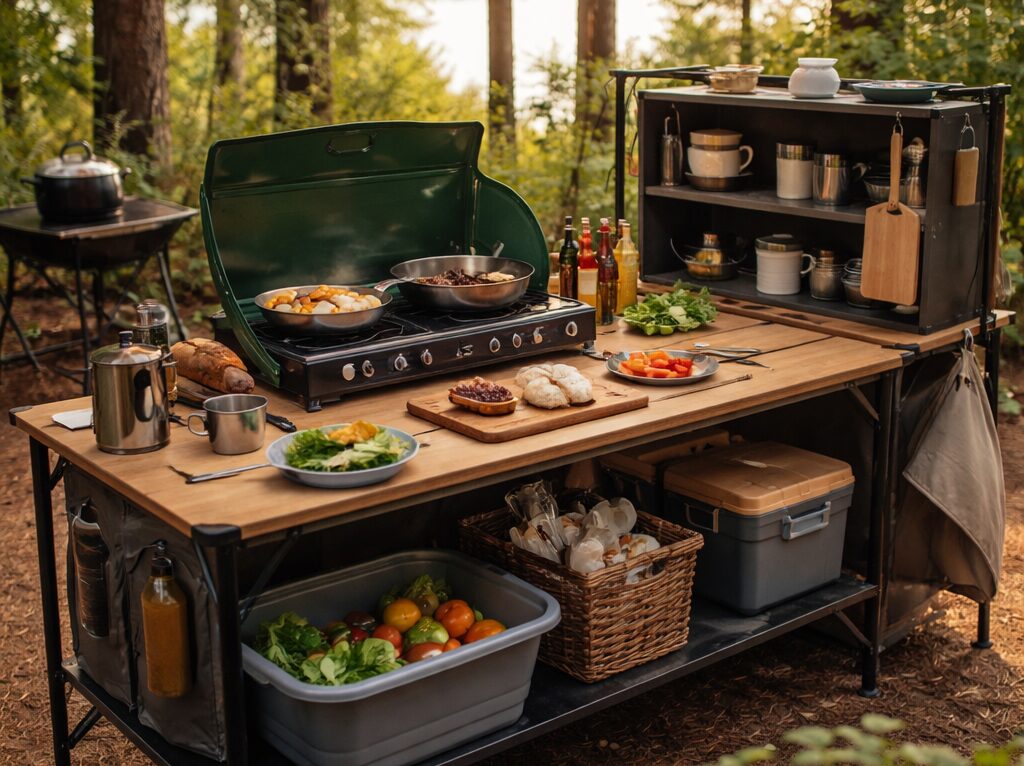
- How to set up a simple camp kitchen
- How tent camping cooking and RV cooking differ
- How to plan meals without overthinking it
- How to keep food safe and cleanup easy
- How to make camp cooking feel calm instead of chaotic
If you’d like to learn about baking biscuits, cookies or more at the campsite, check out our guide, How to Bake While Camping (Even Without an Oven)
- What Is Camp Cooking?
- Essential Camp Cooking Gear for Families
- Camp Cooking by Camping Style
- Meals That Work for Both Tent Camping & RV Cooking
- Camp Cooking Meal Planning for Families
- Food Safety & Storage While Camping
- Camp Cooking for Different Family Dynamics
- Common Camp Cooking Mistakes (and How to Avoid Them)
- Printable Camp Cooking Checklist & Planner
- Final Tips to Make Camp Cooking Feel Calm
What Is Camp Cooking?
Camp cooking simply means preparing meals while you’re camping— which usually comes with limited space, tools, and time. For you, that might look like:
- Cooking over a camp stove
- Using a campfire
- Preparing meals at a picnic table
- Reheating food you made at home
- Keeping meals simple and flexible
For families, camp cooking is less about perfection and more about systems. You’re creating a temporary kitchen in a temporary home, often while managing kids, weather, bugs, and tired bodies.
The goal isn’t gourmet meals.
The goal is easy food, predictable routines, and fewer “What’s for dinner?” meltdowns.
Essential Camp Cooking Gear for Families
You don’t need a full outdoor kitchen to feed your family well. You just need the basics, chosen intentionally.
Cooking Equipment
Most family campers rely on one of these main cooking methods:
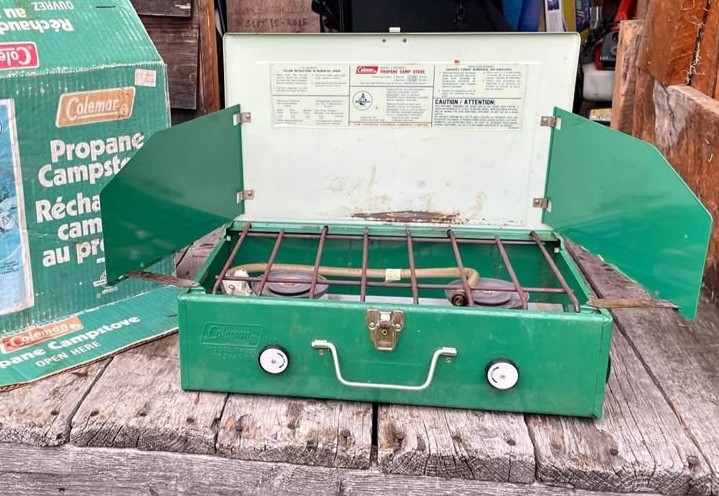
- Portable camp stove
- Campfire cooking grate
- RV stovetop or outdoor RV grill
To make life simple if you’re just getting into camping, choose one primary cooking system and build around it. For many families, a two-burner stove provides the most flexibility.
Camp Cookware
Stick to multi-purpose items to save space and money:
- One large skillet for frying
- One medium pot for boiling water and warming food
- One or two cutting boards for meat and veggie prep
- One or two sharp knives
- Foil for easy meals and cleanup
Avoid bringing specialty tools that only work for one meal unless you have lots of space.
Can You Use an Enameled Dutch Oven on a Campfire?
Food Storage
Food management matters more with kids. You’ll want to make sure that cold food stays cold and dry food doesn’t go stale. This means keeping foods in their proper containers and environments. As a minimum you will want:
- Cooler to store cold foods like meat and vegetables
- A second cooler for drinks. This helps avoid opening the food cooler more than needed.
- Dry food bin
- Bear-safe storage when required
- Clearly labeled snack containers for easy access
Camp Kitchen Organization
Simple organization prevents chaos:
- One bin for cooking tools
- One bin for dry food
- One small wash station for dishes
- One trash bag + recycling bag (probably more with kids and long trips)
When everything has a place, kids can help—and you spend less time digging for tongs.
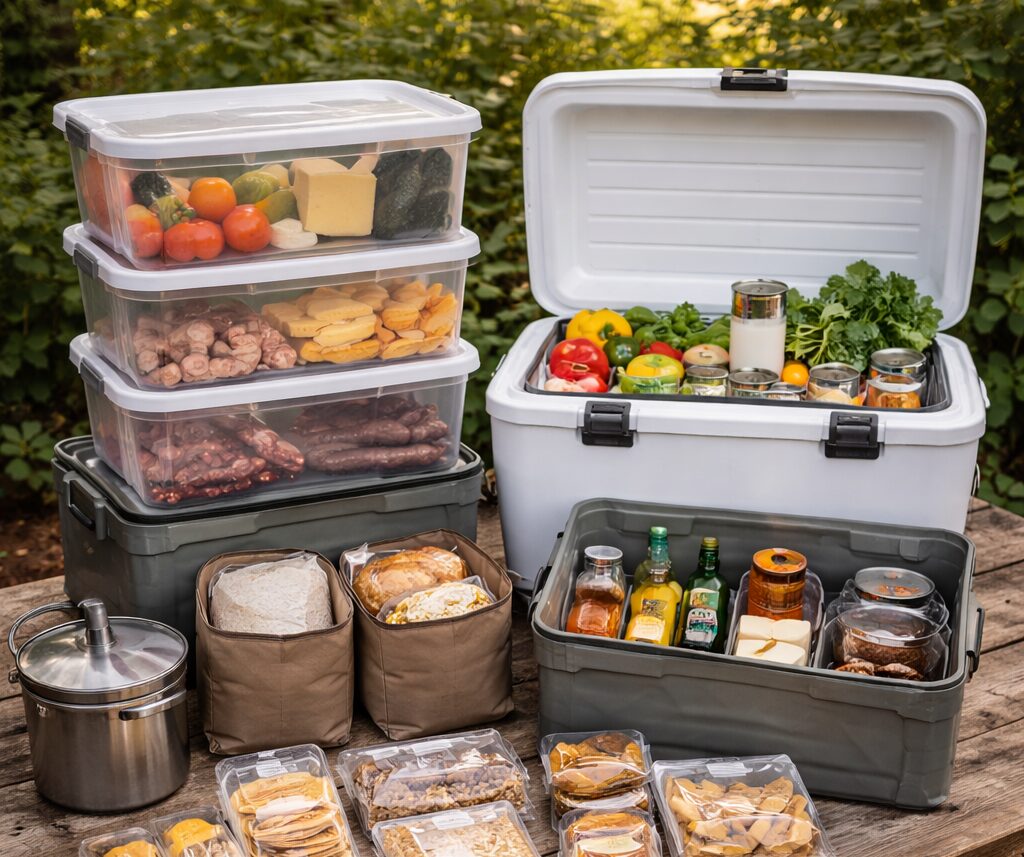
If you’re looking for a simple setup, then our Guide to Portable Camp Kitchen set ups will be super helpful
Camp Cooking by Camping Style
Family camp cooking looks different depending on how you camp. The goal is to embrace what your setup does well instead of wishing it were something else.
We spend most of our time camping in our hybrid camper trailer, but we enjoy tent camping too.
Here’s how we decide which type of camping we’ll do on any given trip.
Tent Camping Cooking
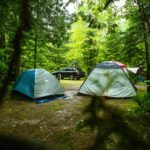
Depending on where we’re tent camping, we often don’t have a lot of room to bring extra unneeded gear. While you always want to make sure that you can get the job done, tent camping often means:
- Smaller cooking setup: often a small portable table or picnic table is all we have
- Less storage: without the cupboard space of the camper trailer, there simply aren’t as many places to store food and cooking gear
- More weather exposure: this can mean that food won’t last as long while tent camping and we hate wasting
- More walking between cooking and sleeping areas
This doesn’t have to make meals harder—it just means simpler systems work best.
What Works Well for Families Tent Camping
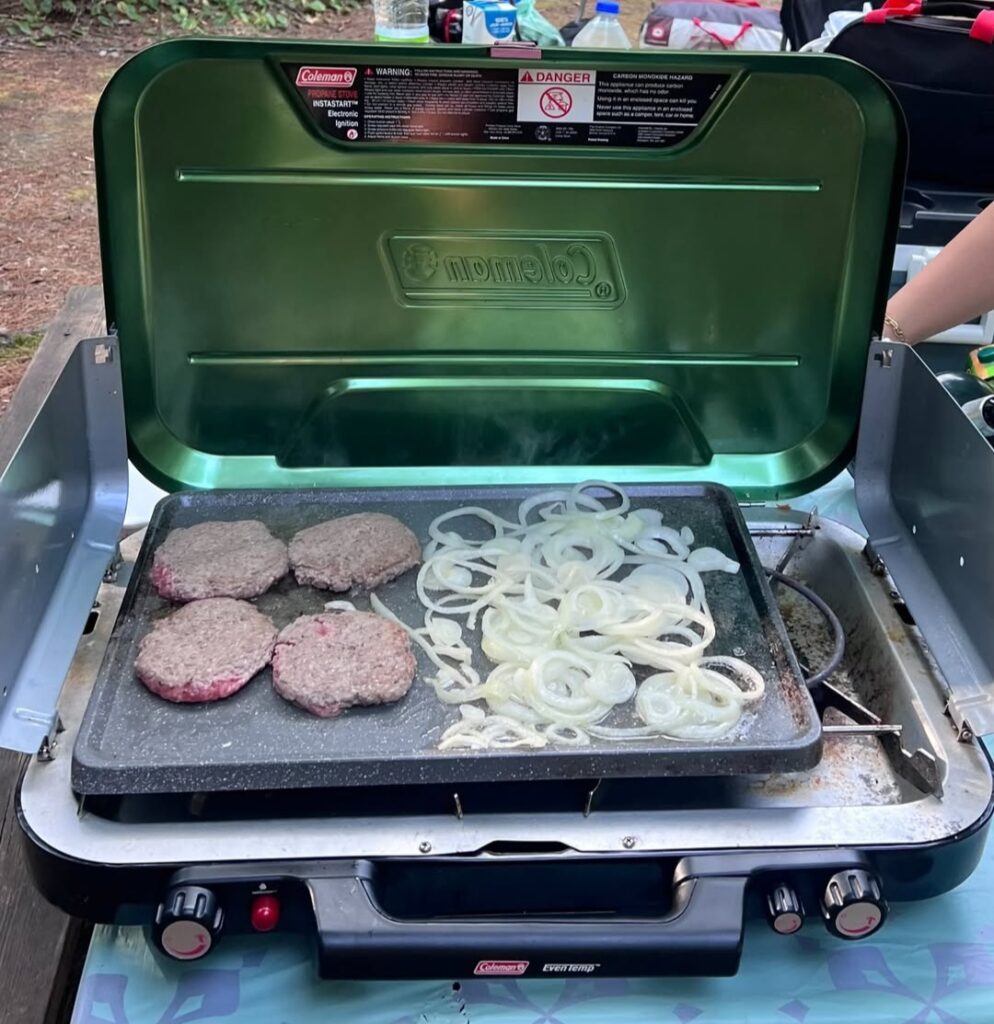
- One main compact cooking station to reduce frustration and time
- Easy meals with minimal steps. Camping is supposed to be a fun experience and while cooking is a big part of that, you don’t want to spend all day preparing dinner.
- Meals that don’t require perfect timing
- Preparing foods kids already like. The options are limited while camping and it’s best to cook something that you know everyone enjoys and therefore will eat without issue.
Tent camping is not the time to test complicated cooking techniques. It’s the time to lean into predictability.
Smart Food Strategies for Tent Camping
- Use meals that rely on one pan or one pot to reduce cooking time as well as cleanup
- Prep ingredients at home. If you can cut the veggies at home, that’s one less thing to worry about while at the campsite
- Choose foods that tolerate temperature changes to avoid spoiling food and waste
- Keep snacks easily accessible so you’re not digging through 15 bags to find the cookies
Common Mistakes Families Make Tent Camping
- Overpacking cooking gear. If you’re going to bring it, make sure it’s something you’ll use. There is no point in packing extra, unnecessary gear that only adds to clutter
- Planning too many elaborate meals. Keeping things simple is key. While you might hope the kids enjoy helping out with meal prep, it probably won’t last long.
- Forgetting wind or rain affects cooking time. This is a big one. Cooking your hamburger on the BBQ at home is not the same as cooking it over a campfire on a windy day
- Storing food in too many different places. This just causes frustration and a mess when trying to find anything.
A simpler setup almost always leads to happier meals, quicker cleanup and more time to enjoy the outdoor activities that you started camping for in the first place.
Camp cooking gear advice for tent and car camping families.
RV/Camper Trailer Cooking
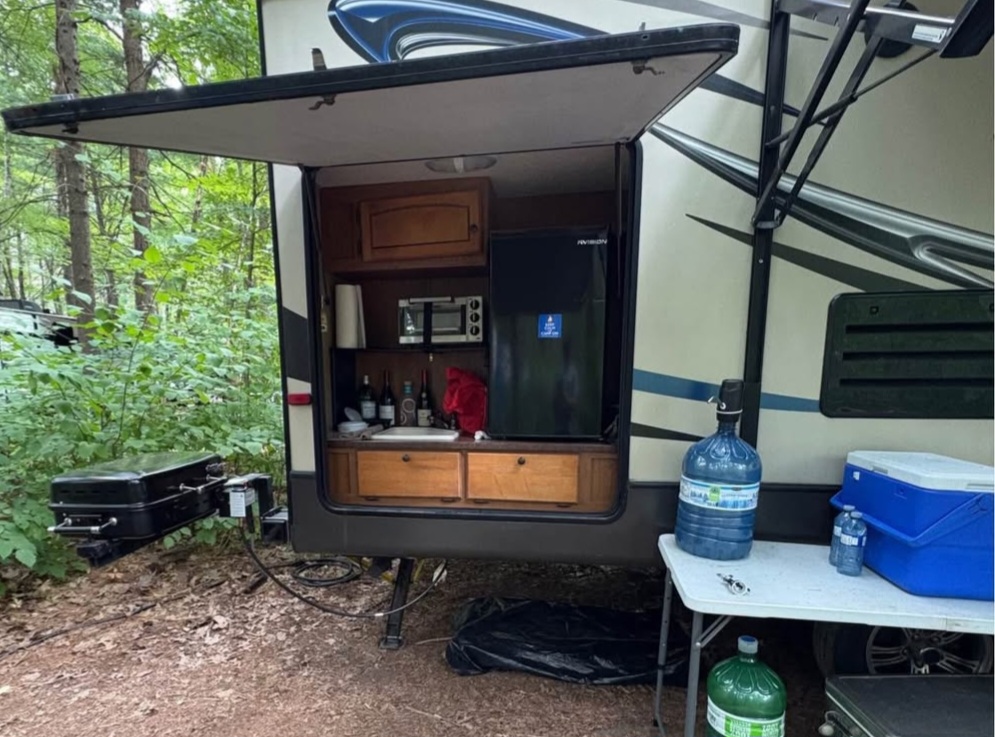
The comforts of an RV cannot be understated and they make life so much easier while camping. RV camp cooking might just top the list of those luxuries as you have space to bring not only the things that you need, but more of the things that you simply want. RV cooking usually means:
- More storage and better organization. Having a fridge to keep food cold, cupboard space for cooking gear and dry foods and counter space to prepare it all is reason enough for many families to choose RV camping over tent camping.
- Access to refrigeration for food and drinks so you never have to worry about food spoiling or drinking a warm beer
- A built-in stove or small kitchen so you can cook anything you desire
- The option to cook inside or outside. RV’s often have an outdoor kitchen in addition to inside. If it’s a beautiful day you can cook outside. But if it’s pouring rain, it’s nice to have the option to move things indoors.
This gives families more flexibility—but also more opportunities to overcomplicate things.
What Works Well for Families RV Camping
- A small weekly meal plan so you can fill this fridge and cupboards with items you actually plan to use
- One “outside cooking night” and one “inside cooking night” rhythm keeps things interesting
- Easy breakfasts and lunches to avoid overstressing about meal prep and cleaning
- A flexible dinner plan based on travel days
Smart Food Strategies for RV Cooking
- Group meals by similar ingredients
- Use the fridge for fresh produce you’ll use early in the trip
- Keep shelf-stable backups for long travel days
- Choose meals that don’t require every burner at once
Common RV Cooking Mistakes
- Bringing too many fresh foods that end up going to waste
- Overestimating how much cooking energy you’ll have after driving. Hint: there won’t be much
- Forgetting water and power limits. Just because you have electrical doesn’t mean you should turn on every element and oven at the same time
- Letting the kitchen get cluttered. This just causes anxiety and frustration.
The best RV cooking routines feel like a simplified version of home—not a full restaurant operation.
Meals That Work for Both Tent Camping & RV Cooking
Some meal frameworks work beautifully across all camping styles. These are especially helpful for families who switch between tent camping and RV trips.
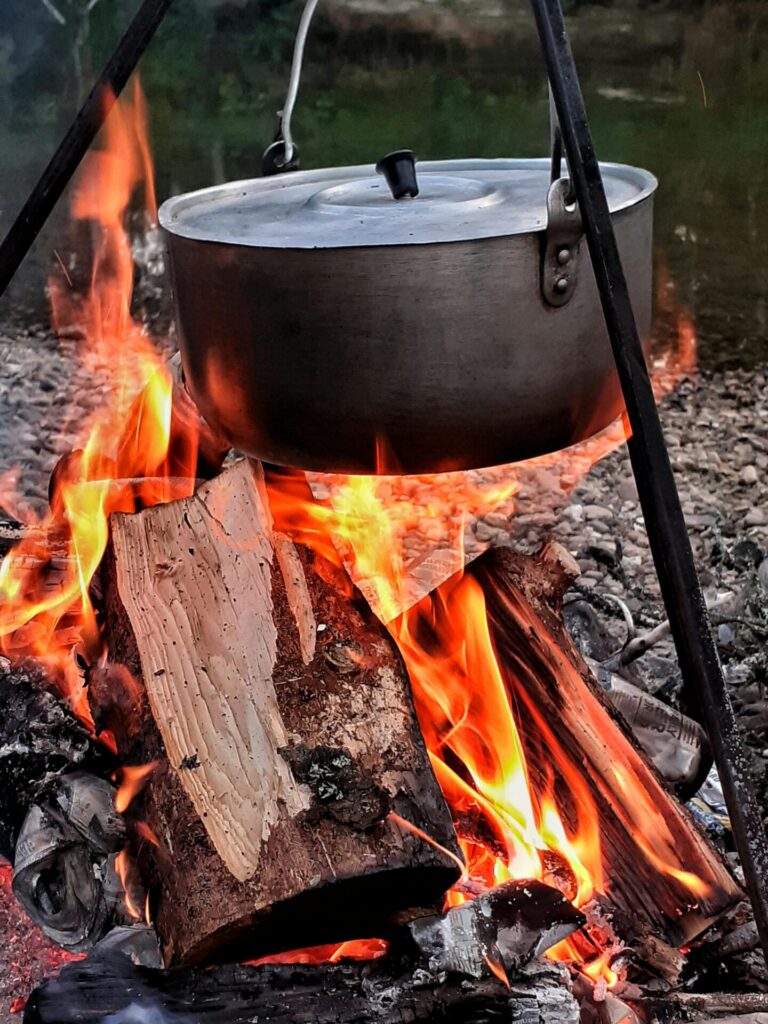
One-Pan or One-Pot Meals
Meals that come together in a single pan save time, water, and cleanup energy.
Mix-and-Match Meals
Instead of full recipes, think in components:
- Protein + carb + veggie
- Wrap base + fillings
- Breakfast base + toppings
This lets kids customize their meals and reduces pressure on you.
No-Cook or Low-Cook Meals
Not every meal needs cooking. These are lifesavers on arrival days, travel days, or when everyone’s tired.
Make-Ahead Meals
Prepping part of a meal at home reduces stress at camp:
- Chopped veggies
- Marinated proteins
- Pre-cooked grains
- Ready-to-assemble meals
The more work you do at home, the calmer camp cooking feels.
Camp Cooking Meal Planning for Families
Meal planning doesn’t mean writing a rigid menu. It means creating structure with flexibility.
How to Build a Simple Camping Meal Plan
Think in categories instead of recipes:
- Easy breakfasts
- Packable lunches
- Simple dinners
- Always-available snacks
This keeps planning light while ensuring you don’t forget key meals.
How Much Food to Bring
Families often overpack food. A good rule:
- Bring slightly more snacks than you think you need
- Plan dinners realistically
- Leave room for treats or local food
Packing Fresh vs Shelf-Stable Food
Fresh food works best early in the trip.
Shelf-stable food becomes your backup later on long trips.
Prep at Home to Save Time at Camp
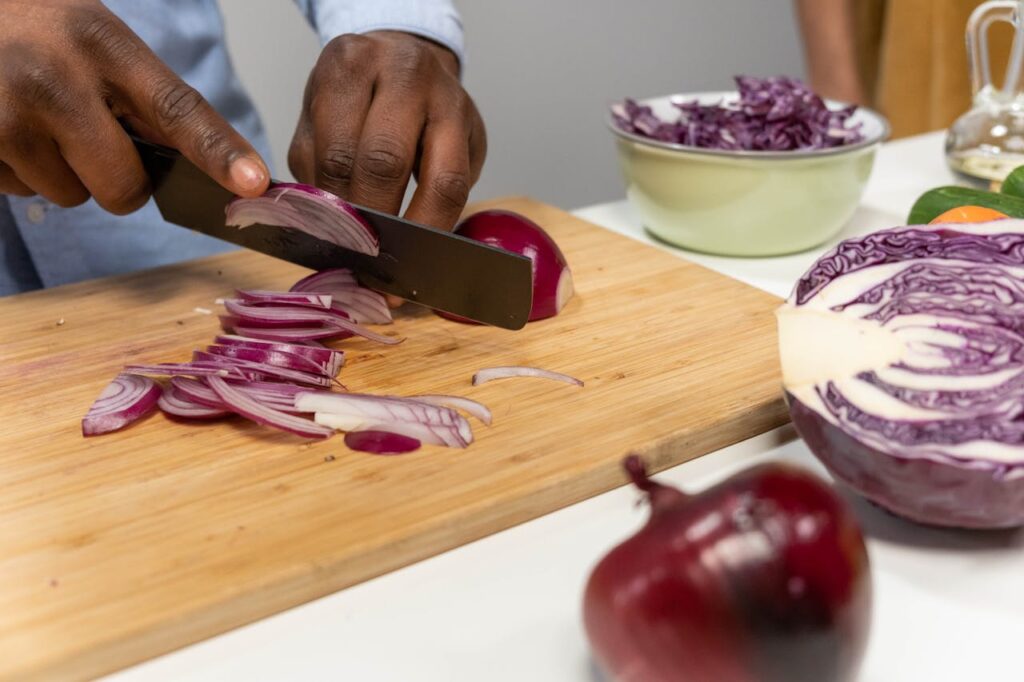
Prep saves energy:
- Chop veggies
- Portion snacks
- Organize bins by meal type
- Pre-label food containers
Food Safety & Storage While Camping
Food safety matters more outdoors—especially with kids.
Keeping Food Cold Without Stress
- Use ice strategically
- Keep coolers closed
- Store drinks separately from food to avoid opening food coolers to much
- Replenish ice as needed
Safe Food Storage at Campgrounds & in the Wild
- Follow campground food storage rules
- Use bear-safe containers when required
- Never leave food out overnight. I’ve seen many early morning messes caused by skunks and raccoons
- Clean cooking areas thoroughly to avoid attracting wildlife
Cleaning Up Without Overwhelm
A simple dish routine helps:
- Wipe food and grime off dishes before washing
- Use minimal water
- Air-dry when possible
- Pack up leftovers immediately
Handling Leftovers Safely
Leftovers are great—but only when properly stored. If in doubt, skip them. Cooking the right amount is difficult for families. When you cook more than normal, kids barely eat. When you cook less than normal, they eat like they haven’t seen food in a month. To avoid leftovers, cook less and supplement the meal with snacks which is what kids want anyway.
Camp Cooking for Different Family Dynamics
Every family cooks differently at camp. Build routines around your real life.
Families with Younger Kids
- Predictable meals
- Early dinners
- Easy snacks
- Involving kids in simple prep
Families with Teens
- Bigger portions
- More snacks
- Shared cooking responsibilities
- Flexible meal times
Large or Multi-Family Groups
- Assign cooking roles
- Plan shared meals
- Simplify menus
- Keep snacks communal
The goal is cooperation—not perfection.
Common Camp Cooking Mistakes (and How to Avoid Them)
Over planning
Too many meals, too many ideas, too many steps = stress. Fewer meals done well beats elaborate plans.
Forgetting Weather Impacts Cooking
Wind, rain, and heat affect cooking time and energy. Always have a backup plan.
Underestimating Cleanup
Messy meals create more work. Simple meals protect your energy.
Not Building in Flexibility
Some days you’ll want hot meals. Some days you’ll want sandwiches and early bedtime. Both are wins.
Printable Camp Cooking Checklist & Planner
A printable checklist makes packing easier and prevents forgotten essentials.
Your checklist can include:
- Camp kitchen gear
- Food categories
- Cooler packing plan
- Snack list
- Cleanup supplies
Final Tips to Make Camp Cooking Feel Calm
Camp cooking doesn’t have to be another job on your vacation. A few mindset shifts make a big difference:
- Simple food is still good food
- Not every meal has to be special
- Kids remember how meals felt more than what they were
- Cooking together builds connection
- A calm parent creates a calm camp kitchen
Some of your favorite camping memories will happen while waiting for water to boil, handing out snacks, or laughing about a slightly burnt dinner. That’s the good stuff.
Camp cooking isn’t about impressing anyone.
It’s about feeding your people well, simply, and with room to enjoy where you are.
Related reading: Some of the best swivel grills for cooking over a campfire