
If you’ve ever zipped your kid into a sleeping bag at bedtime only to hear “I’m itchy,” “I’m cold,” or “I can’t move my legs” five minutes later — you already know this truth:
👉 A sleeping bag can make or break a family camping trip.
Comfort matters more for kids than almost anything else. A bag that’s too stiff, too cold, or too slippery can turn a fun adventure into a long, sleepless night for everyone.
So what actually makes a sleeping bag comfortable for kids — and which ones are worth buying?
Let’s break it down in plain-English, parent-tested terms.
What Does “Comfortable” Really Mean for Kids?
Adults usually think comfort = warmth.
Kids? Not so much.
For children, comfort is a mix of five things:
1. Warmth (Without Overheating)
Kids don’t regulate body temperature as well as adults. A bag that’s too cold = tears. Too warm = sweaty wake-ups.
Sweet spot: A sleeping bag rated 10–15°F warmer than the coldest night you expect.
2. Softness Against Skin
Many kids sleep in T-shirts or pajamas, not base layers. Scratchy liners or stiff shells can be a dealbreaker.
Look for:
- Brushed polyester
- Microfleece lining
- Cotton-blend interiors (for warmer weather)
If it feels like a gym bag inside, your kid will notice.
3. Room to Move (But Not Too Much)
Kids are wiggly sleepers. A bag that’s too tight feels claustrophobic.
A bag that’s too long lets cold air pool at the feet.
Best option:
- Kid-specific bags or adjustable-length bags
- Rectangular or semi-rectangular shapes (mummy bags often feel restrictive)
4. Easy Zippers (No Panic Attacks at 2am)
A stuck zipper at bedtime is frustrating. A stuck zipper during a midnight bathroom emergency? Chaos.
Comfort includes:
- Smooth, snag-free zippers
- Two-way zippers so kids can vent heat
- Zippers kids can operate themselves
5. Familiar, Cozy Feel
Kids sleep better when things feel familiar.
That’s why many of the most comfortable kids’ sleeping bags:
- Unzip fully into a blanket
- Work well with a pillow from home
- Pair nicely with a sleeping bag liner for extra softness
Here’s a list of everything we do to get a Good Night’s Sleep While Camping
The Most Comfortable Sleeping Bags for Kids (By Age)
Comfort changes as kids grow. Here’s what works best at each stage.
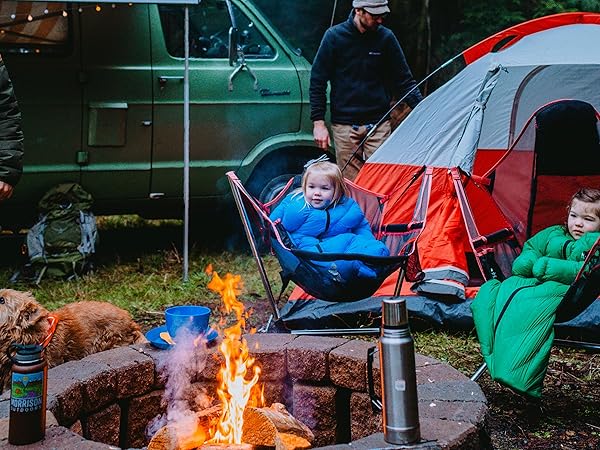
Toddlers & Preschoolers (Ages 2–5)
What matters most:
- Soft lining
- Easy entry and exit
- Moderate warmth (they run hot!)
Best features:
- Blanket-style or nap-bag designs
- Attached pillow or hood (without cords)
- Machine-washable materials
Avoid oversized bags — extra length = cold feet.
Young Kids (Ages 5–8)
This is the golden age for camping sleep.
Look for:
- Adjustable-length sleeping bags
- Rectangular shape for movement
- Temperature ratings around 40°F / 5°C
These kids want comfort and independence — bags they can zip themselves are a big win.
Older Kids & Preteens (Ages 9–12)
At this stage, comfort means:
- Roomier cut
- Better insulation
- “Not babyish” designs
A youth-size sleeping bag with adult-style insulation but softer materials usually hits the sweet spot.
Materials That Make a Sleeping Bag More Comfortable
When in doubt, ignore the marketing buzzwords and focus on these:
Best Insulation for Comfort
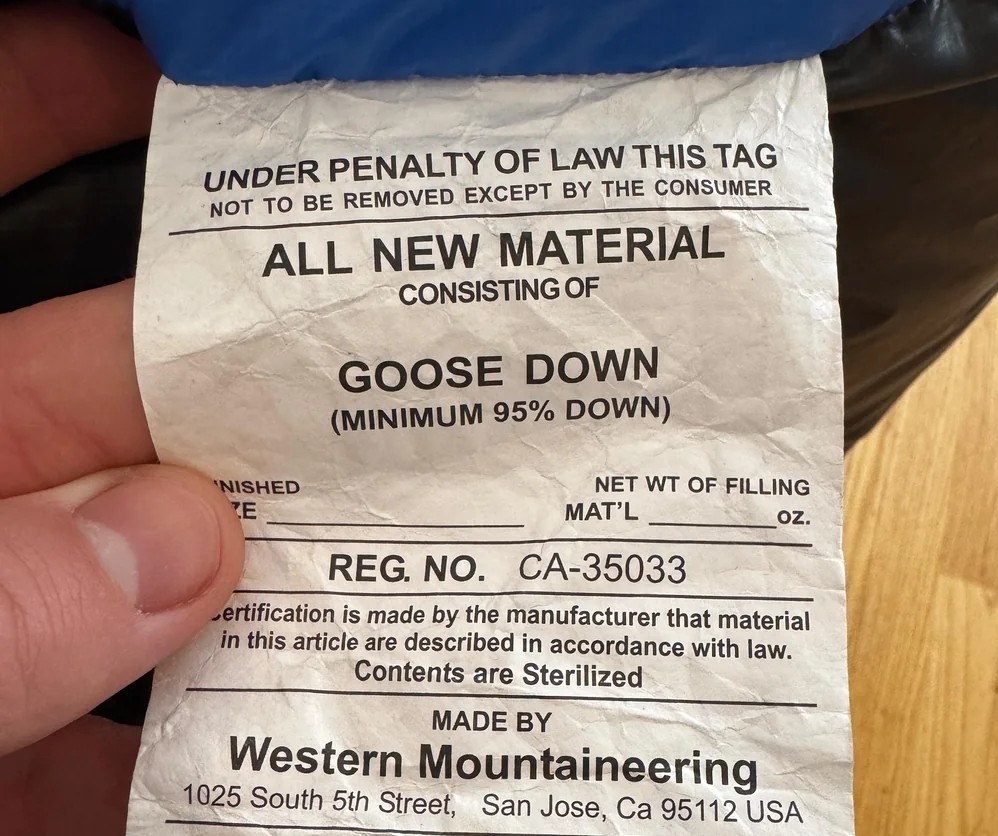
- Synthetic insulation → warmer when damp, softer feel, easier care
- Down can be comfy but usually costs more and is fussier
For family camping, synthetic wins most of the time.
Best Liners for Kids
- Microfleece
- Brushed polyester
- Cotton blends (summer camping)
Pro tip: If a bag is warm but not cozy, add a sleeping bag liner. It’s cheaper than replacing the bag — and easier to wash.
Common Comfort Mistakes Parents Make
Even experienced campers fall into these traps:
❌ Buying “to grow into”
A bag that’s too long is less comfortable, not more.
❌ Focusing only on temperature ratings
A warm bag can still be stiff, loud, or itchy.
❌ Skipping the sleeping pad
No sleeping bag feels comfortable on hard ground. A basic foam or inflatable pad makes a huge difference.
So… What Is the Most Comfortable Sleeping Bag for Kids?
There’s no single perfect model — but the most comfortable sleeping bag for kids almost always:
- Fits their current size
- Feels soft against bare skin
- Allows movement without drafts
- Matches the temperatures you actually camp in
For most families, that means a rectangular or adjustable kids’ sleeping bag with a soft liner, paired with a decent sleeping pad.
Comfort isn’t about fancy features — it’s about helping your kid sleep through the night so everyone wakes up happy.
Final Parent Tip (Learned the Hard Way 😅)
Test the sleeping bag at home first.
Backyard sleepover. Living room camp-out. Even a nap inside the bag.
If your kid sleeps well at home, chances are they’ll sleep well at the campground — and that’s the real goal.
A comfortable sleeping bag is important, but the whole sleep system needs to work together to create the best environment. We explain the whole system in this Guide to Family Tent Camping Sleep Systems
🏕️ Top Comfortable Sleeping Bags for Kids (By Type & Use)
Whether you’re camping, glamping, or planning backyard sleepovers, these are some of the most recommended kids’ sleeping bags that balance comfort, warmth, and quality.
⭐ Best All-Around Comfort Picks
These combine soft liners, good warmth, and kid-friendly design — great for family camping trips of all kinds.
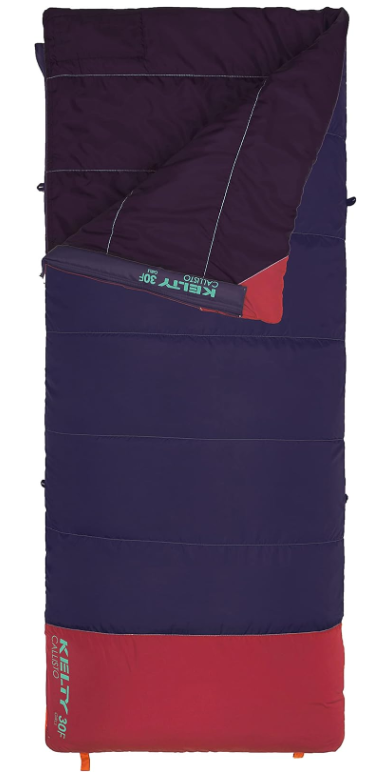
- Kelty Callisto Kids Sleeping Bag – Excellent balance of comfort and durability with a roomy interior.
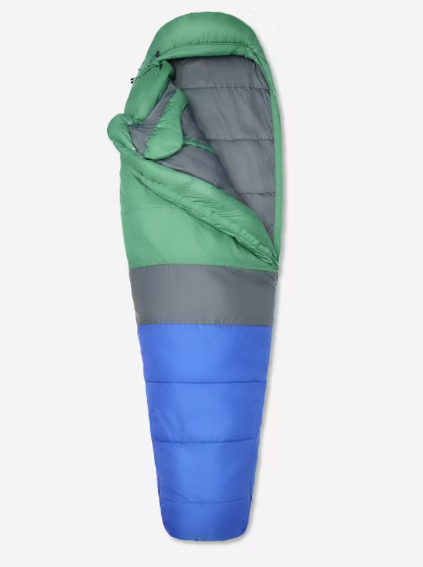
- Marmot Kids Trestles Elite Eco Sleeping Bag – Premium synthetic insulation and soft lining make it one of the coziest bags for cooler weather.
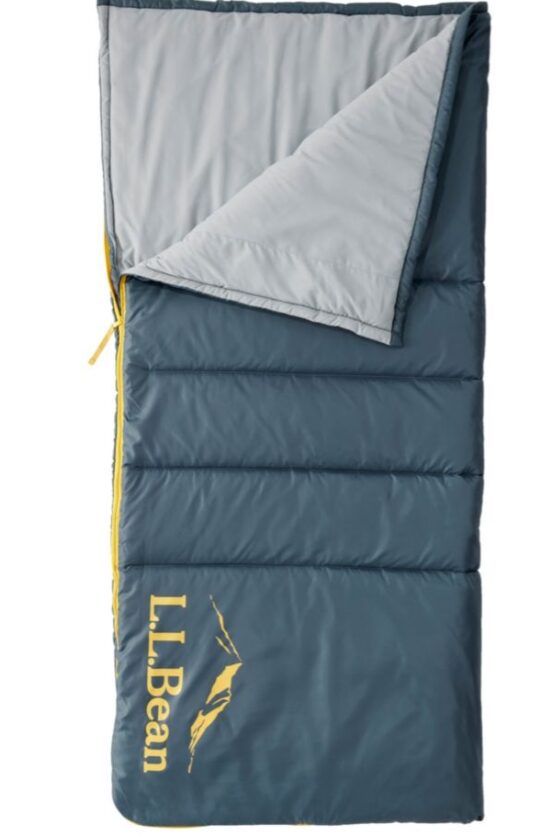
- L.L.Bean Kids’ Access Sleeping Bag – Trusted classic with reliable warmth and quality construction.
🧒 Great Everyday & Budget-Friendly Options
Perfect for light camping, backyard stays, and first-time little campers — soft, comfortable, and easy to care for.
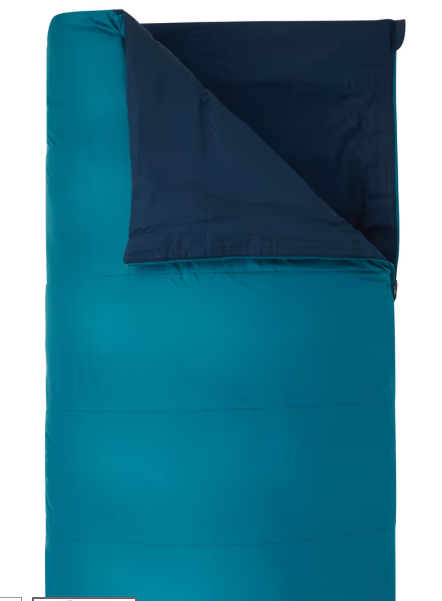
- MEC Little Dipper Sleeping Bag – Great value choice with solid comfort for mild conditions.
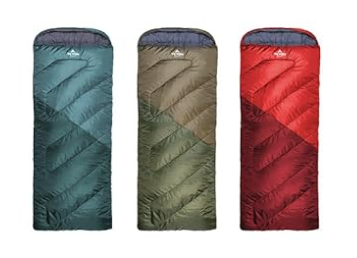
- TETON Sports Celsius Junior Sleeping Bag – Well-rated and cozy for casual camping nights.
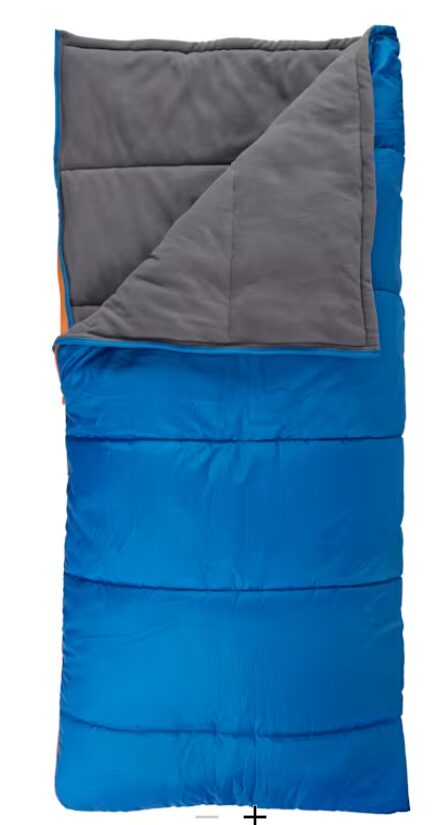
- Bass Pro Shops Kids’ Eclipse Sleeping Bag – Balanced comfort and affordability with kid-friendly design.
🏕️ Best for Older Kids & More Serious Camping
If you want something that grows with your child or handles longer nights outdoors:
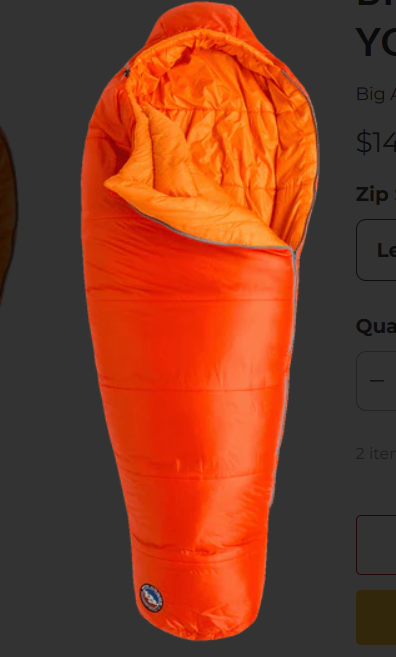
- Big Agnes Wolverine Youth Sleeping Bag – A robust, comfy bag for adventurous kids and cooler nights.
- MEC Draco Jr. Down Sleeping Bag – Premium down insulation for excellent warmth and comfort when you need it most.
🛠️ Comfort Tips When Choosing
Here’s how to match the sleeping bag to your child’s needs:
- For warmth & winter trips: Choose bags with thicker insulation and higher temperature ratings (synthetic or down).
- For casual camping/sleepovers: Mid-range, lightweight bags are often more comfortable and easy to carry.
- For comfort seekers: Go for kids’ specific sized bags with softer liners and roomy interiors — these make a big difference in sleep quality.
🧒 Bonus Fun & Cozy Picks
If your goal is comfort and fun rather than serious cold-weather performance, you might also like:
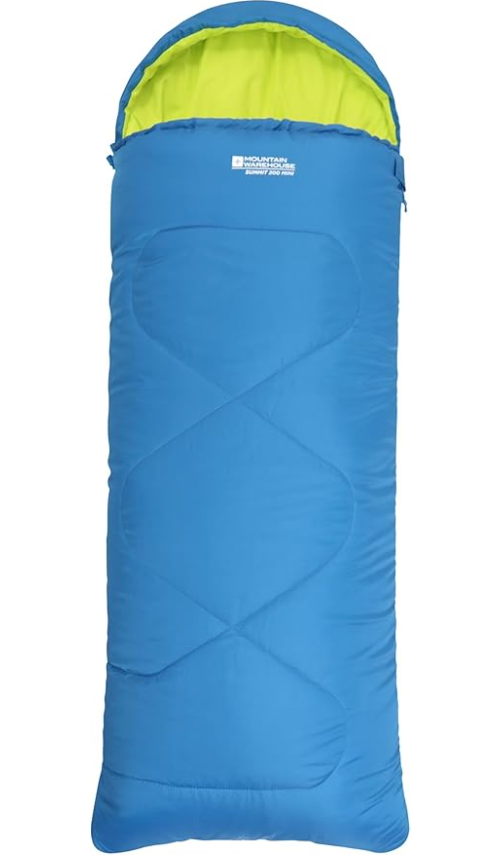
- Mountain Warehouse Summit Mini Summer Sleeping Bag – Lightweight summer bag that kids find comfy
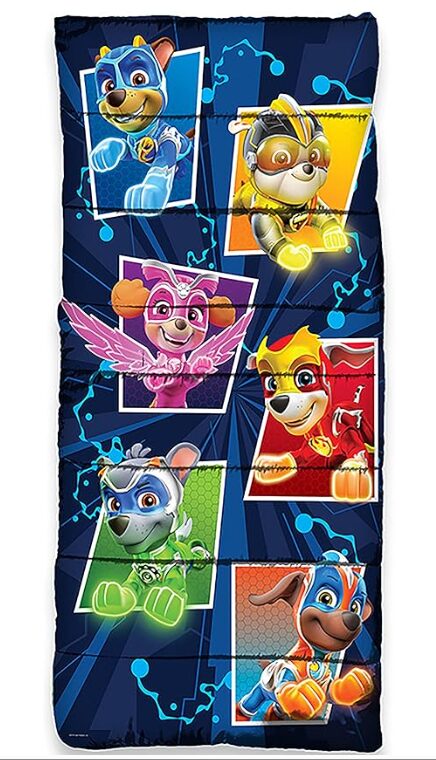
- Danawares Paw Patrol Sleeping Bag – Fun character design that can make bedtime more exciting
🧠 Pro Tip
Often, comfort isn’t just the bag itself — pairing it with a good sleeping pad or inflatable mattress can dramatically improve sleep quality, especially on hard ground.
And just as important is a good pillow: Best Camping Pillows for Car Camping (Complete Guide)
We love writing about the things that make a real difference in your outdoor experience. Some of the links in this post are affiliate links in which case we may earn a small commission at no extra cost to you if you make a purchase. We truly appreciate you taking the time to read our content and hope it has added value to your next camping and outdoor adventure.