
Camping is supposed to be relaxing and rejuvenating. Full of fresh air, peaceful forests, cozy campfires, and a break from everyday life sound like the perfect recipe for rest.
But many campers—especially beginners—wake up after a weekend outdoors feeling more exhausted than when they left home.
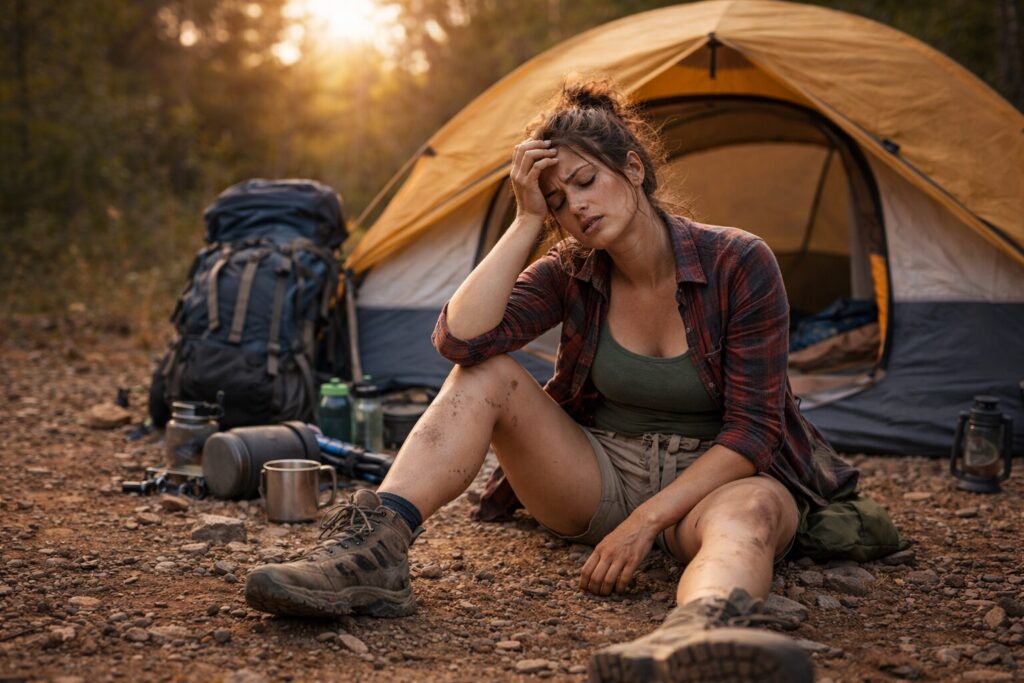
If you’ve ever wondered, “Why am I so tired after camping?” you’re definitely not alone. The truth is that camping introduces a few challenges your body isn’t used to: unfamiliar sleep surfaces, temperature swings, and long active days outdoors can be very tiring.
The good news is that once you understand why camping can be tiring, it becomes much easier to fix the issues and go home feeling relaxed instead of exhausted.
Below are the most common reasons campers feel worn out after a trip—and how to avoid them on your next adventure.
1. Your Sleeping Pad Isn’t Comfortable Enough
One of the biggest reasons people feel exhausted after camping is simple: they didn’t actually sleep well.
Sleeping on the ground—even inside a tent—is very different from sleeping in a bed.
Thin foam pads or poorly inflated air mattresses can create pressure points on your hips and shoulders. You might toss and turn all night without realizing it.
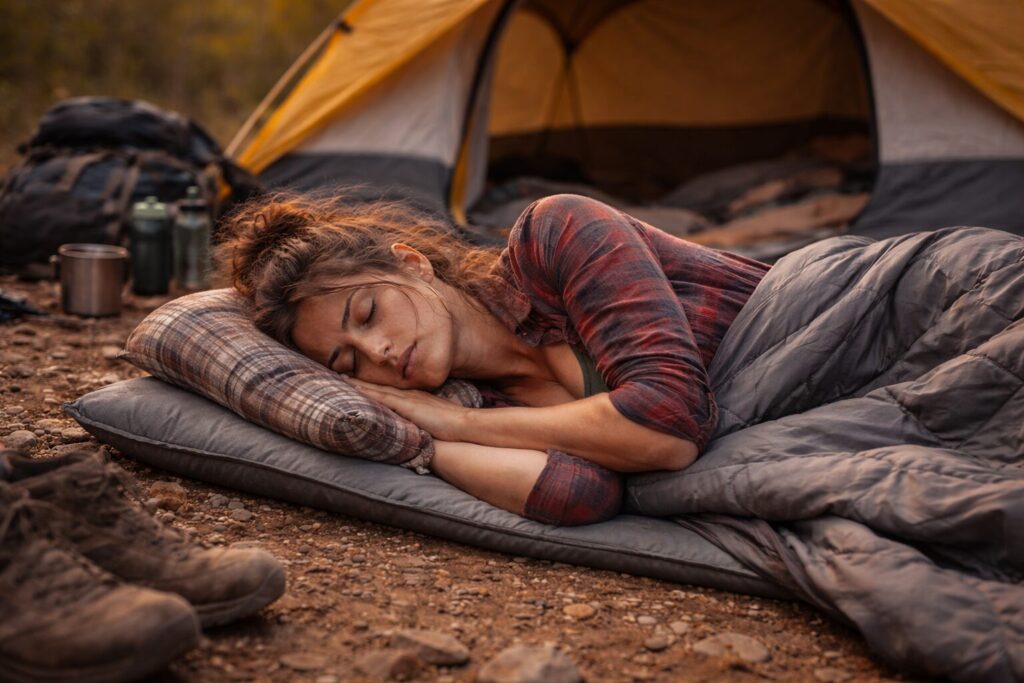
Many beginner campers underestimate how important a proper sleep system is.
A good camping pad provides:
- Cushioning for your joints
- Insulation from the cold ground
- Support so your body can fully relax
Without it, your body works all night trying to find a comfortable position.
Tip for better sleep
Look for a thicker camping pad or mattress designed for comfort rather than ultralight backpacking. For example, pads like the Therm-a-Rest MondoKing 3D Sleeping Pad are designed to feel closer to a real mattress.
Another often overlooked item is your camping pillow. A good pillow can help you sleep all night and keep your neck feeling good: Best Camping Pillows for Car Camping
2. Your Sleeping Bag Temperature Rating Is Wrong
Another common problem is being too cold or too hot while sleeping.
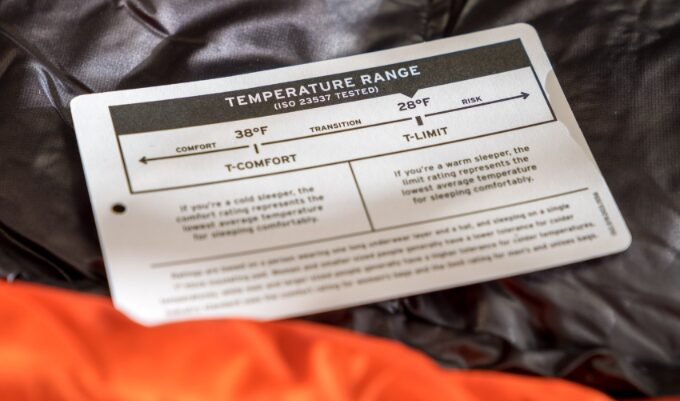
Sleeping bags are rated for specific temperatures, but those ratings can be confusing. A bag rated for 0°C (32°F) doesn’t mean it will feel cozy at that temperature—it often means it’s the lowest survival limit.
If your bag isn’t warm enough, your body spends the night trying to stay warm instead of resting.
Cold sleepers especially may wake up frequently throughout the night without realizing why.
Popular camping bags like the Coleman Palmetto Cool Weather Sleeping Bag work well for mild conditions, but colder nights may require a warmer option.
Signs your sleeping bag is the issue
- You wake up chilled in the early morning
- Your feet feel cold overnight
- You wear extra layers just to sleep comfortably
Choosing the right temperature rating can dramatically improve your energy level the next day.
If you’re kids don’t sleep well, neither will you. If your childs sleeping bag is the issue, this can help: What Is the Most Comfortable Sleeping Bag for Kids? A Parent’s Buying Guide
3. Campsites Are Louder Than You Expect
Nature can be peaceful—but it’s not always quiet.
Many new campers are surprised by how noisy nighttime outdoors can be.
Common nighttime sounds include:
- Wind moving through trees
- Animals moving nearby
- Other campers talking or walking around
- Snoring tent mates
- Early morning birds
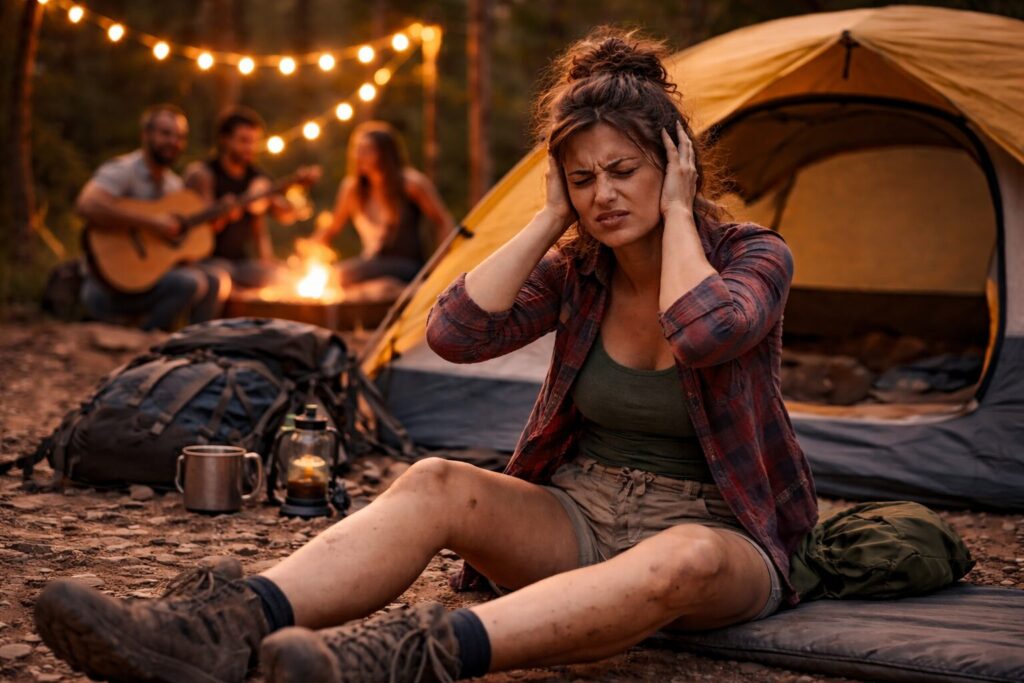
If you’re used to sleeping in a quiet home, these unfamiliar sounds can keep your brain slightly alert throughout the night.
Even if you don’t fully wake up, your sleep quality can still suffer.
Helpful trick
Many campers use simple foam earplugs or white noise apps to block out unpredictable sounds.
4. Camping Days Are More Physically Active
Camping usually involves a lot more movement than normal life.
Even relaxed family camping trips include activities like:
- Setting up tents
- Collecting firewood
- Walking around campgrounds
- Hiking trails
- Swimming or paddling
- Cooking and cleaning outdoors
These activities add up quickly.
You may not notice how much energy you’re burning until the trip ends and your body feels drained.
The upside is that this kind of activity is healthy fatigue, not a bad thing. Your body just needs time to adjust if you’re not used to it.
5. Dehydration Is Extremely Common While Camping
Many campers accidentally drink less water than usual.
When you’re busy enjoying the outdoors, it’s easy to forget to hydrate. Add campfire coffee, salty snacks, and warm weather, and dehydration can sneak up quickly.
Even mild dehydration can lead to:
- Fatigue
- Headaches
- Poor sleep quality
- Muscle soreness
By the end of the trip, your body may simply feel worn out.
Easy fix
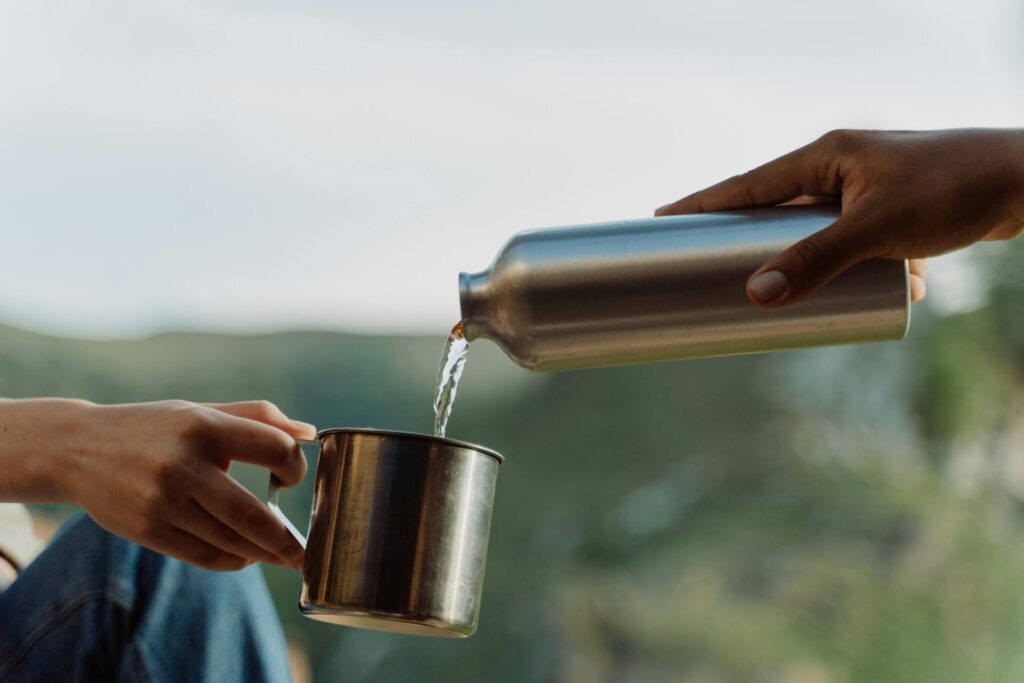
Keep a water bottle nearby at all times and aim to drink regularly throughout the day.
6. Campfire Nights Often Go Later Than Usual
Campfires have a way of stretching evenings longer than expected.
You might stay up chatting, roasting marshmallows, or watching the fire long past your normal bedtime.
That’s part of the fun of camping—but it also means you’re getting less sleep than usual.
And unlike at home, campsites often wake up early.
Sunrise, birds, and other campers can have you awake hours earlier than your normal morning routine.
7. Early Sunrise Can Wake You Up
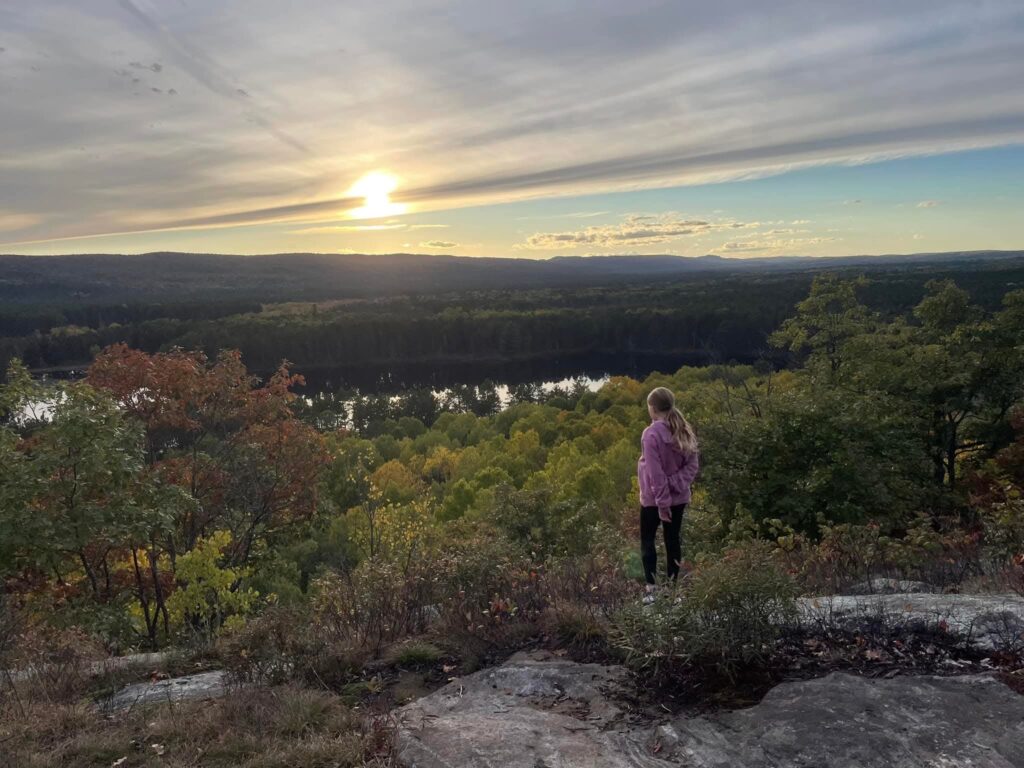
Tents don’t block much light.
As soon as the sun rises, your tent can brighten quickly and warm up inside.
This natural light signals your body to wake up—even if you stayed up late the night before.
Many campers wake up at sunrise whether they want to or not.
Simple solution
Some families choose darker tents or bring sleep masks to block early morning light.
How to Feel More Rested After Camping
The good news is that a few small adjustments can make a big difference.
Here are some simple ways to sleep better on your next camping trip:
Upgrade your sleeping setup
A comfortable pad and properly rated sleeping bag can transform your night outdoors.
Hydrate throughout the day
Drink plenty of water, especially if you’re active or spending time in the sun.
Keep a relaxed evening routine
Enjoy the campfire—but try not to stay up drastically later than normal.
Bring small comfort items
Simple additions like earplugs, sleep masks, or extra blankets can improve sleep quality.
Adjust expectations
Sleeping outdoors is different from sleeping at home. Once your body gets used to it, camping becomes much easier.
The Bottom Line
If you’re wondering why you feel so tired after camping, it usually comes down to sleep quality, activity levels, and hydration.
Most campers simply aren’t used to sleeping on the ground, hearing nighttime nature sounds, or spending full days outdoors.
But the good news is that with the right gear and a little experience, camping sleep improves dramatically.
Once you dial in your sleeping setup, stay hydrated, and settle into a good camp routine, you may find that camping becomes one of the most refreshing ways to recharge.
And sometimes, a little tiredness after a weekend outside just means you had a great adventure.
We love writing about the things that make a real difference in your outdoor experience. Some of the links in this post are affiliate links in which case we may earn a small commission at no extra cost to you if you make a purchase. We truly appreciate you taking the time to read our content and hope it has added value to your next camping and outdoor adventure.