
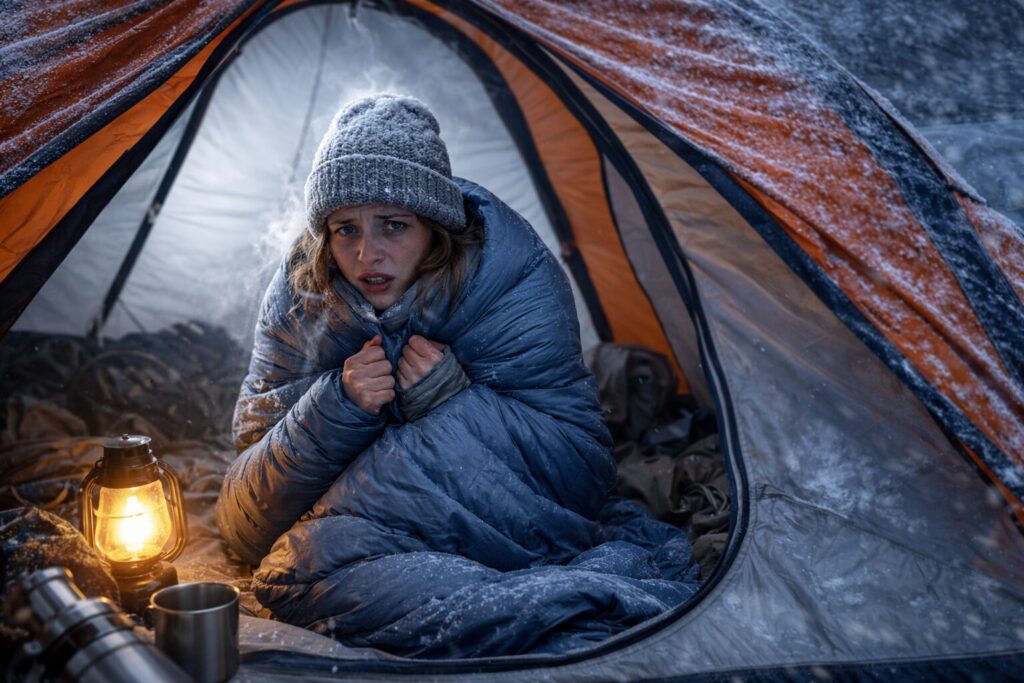
If you’re always cold while tent camping—even when the forecast doesn’t look that bad—you’re not imagining it. Camping feels colder than sleeping at home because your body is losing heat in multiple sneaky ways at once. The good news? You don’t need fancy gear to fix most of the issues. Small setup and habit changes can make a huge difference so you can get a better, warmer sleep.
Here’s what’s really making you cold in your tent—and what actually helps.
Why am I always cold while tent camping?
You’re usually cold while tent camping because of heat loss to the ground, poor insulation, moisture buildup, and exposure to wind – not just the outside temperature. Even in mild weather, these factors can make you feel much colder than expects. Fixing your sleep setup and staying dry makes the biggest difference.
1. You’re Losing Heat to the Ground (More Than to the Air)
Most people blame the nighttime temperature, however the bigger problem is most likely to be the ground.
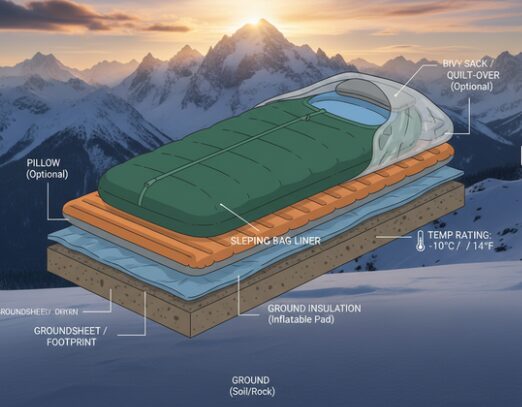
The earth pulls heat from your body through conduction. Even on a mild night, the ground stays cold, and your body heat drains into it all night long. That’s why sleeping directly on the tent floor feels brutally cold—even when the air feels okay.
Think of it in a similar way as if you were standing on the cold ground with nothing but socks on. Your feet would get cold quickly. That’s exactly what happens when you sleep on the ground, only over a much bigger surface area.
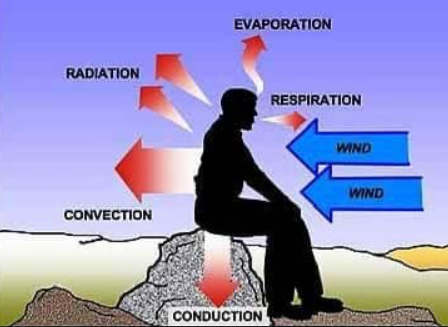
What helps to keep warm in your tent:
- Put something insulating between you and the ground (a pad, folded clothes, a spare jacket, even a backpack under your torso).
- Choose higher, drier ground when you can. Cold air sinks into low spots.
- Avoid setting up in depressions where moisture collects.
2. Your Sleeping Bag Rating Isn’t a Comfort Rating
This one trips up a lot of campers.
Most sleeping bag temperature “ratings” are survival ratings, not comfort ratings. A bag labeled “40°F” often means you won’t get hypothermia at 40°F—not that you’ll sleep warmly and comfortably. We explain this further in this Guide to Sleeping Bag Temperature Ratings Explained for Families
If you’re a cold sleeper, you might feel chilly 10–15°F above the number on the tag.
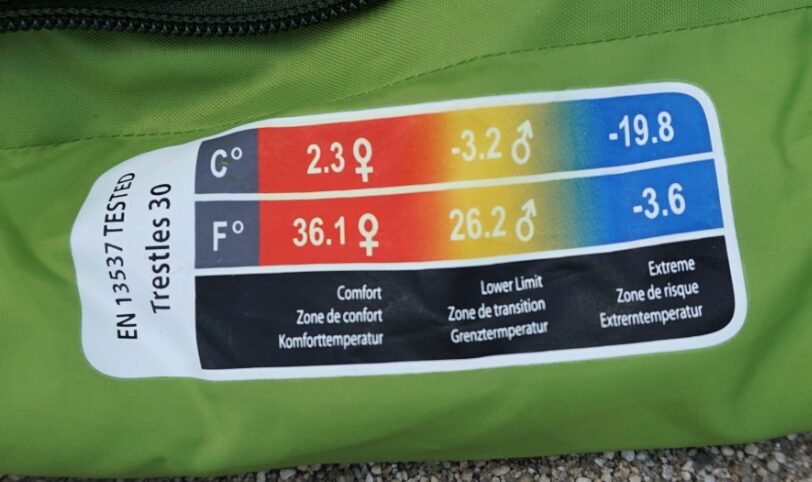
What helps you keep warm in your sleeping bag:
- Add layers inside your bag (dry socks, a warm hat, a long-sleeve top).
- Loosely drape extra clothing over your core for added insulation.
- Cinch the hood and collar area to keep warm air from escaping.
What Is the Most Comfortable Sleeping Bag for Kids?
3. Your Body Isn’t Producing Enough Heat at Bedtime
Your body needs fuel to stay warm. If you crawl into your bag hungry, dehydrated, or sweaty, you’ll feel colder.
Common mistakes that make you cold:
- Skipping dinner or eating too light
- Going to bed dehydrated
- Sleeping in damp clothes
- Lying still while already chilled
What helps you stay warm while camping:
- Eat a small snack before bed (something with fat or carbs).
- Change into dry clothes, even if the damp ones “don’t feel that wet.”
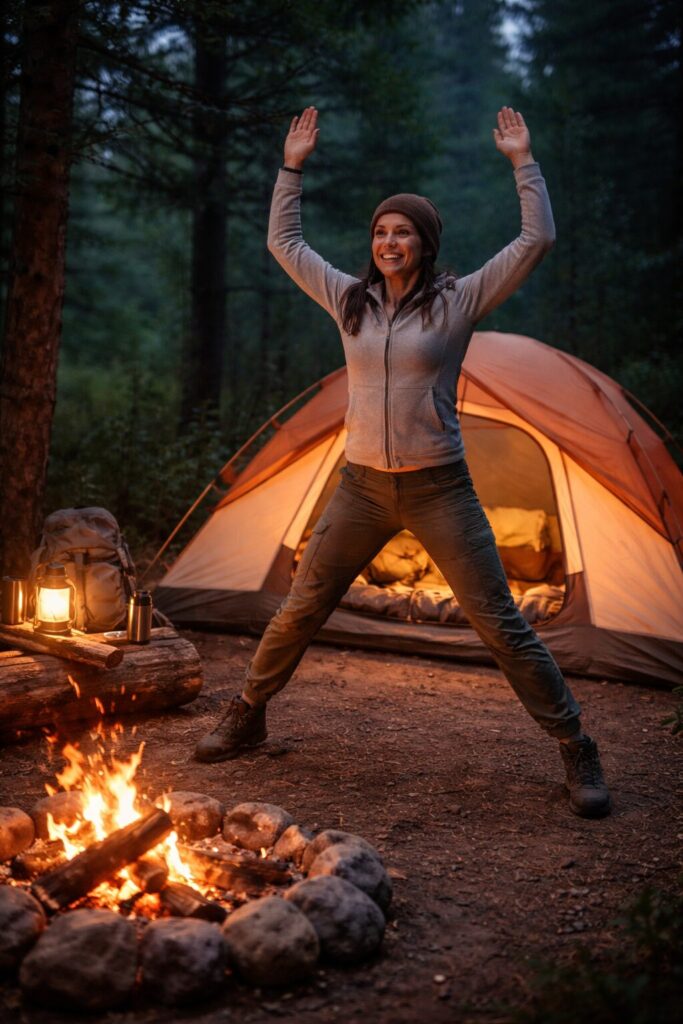
- Do 30–60 seconds of light movement (squats, brisk walking) before getting into your sleeping bag so you start warm.
- Keep tomorrow’s clothes inside your bag so they’re warm in the morning.
How to Stop a Smoky Campfire: 9 Simple Fixes That Actually Work
4. Your Campsite Is Colder Than You Think
Even in the same campground, temperatures can vary a lot. Cold air sinks and pools in low areas, creek beds, and valleys. A site that feels breezy and cool in the evening can turn into a cold pocket overnight.
This is noticeable in places with big elevation changes like Yellowstone National Park, where low-lying campsites can feel dramatically colder after dark.
What helps:
- Camp slightly uphill from water sources.
- Avoid the lowest point in a clearing.
- Use natural wind breaks (trees, bushes, terrain) when possible.
5. Your Tent Setup Is Letting Warmth Escape
Tents don’t trap heat the way buildings do. They block wind and rain—but they don’t insulate much and can be very hard to keep warm.
What makes tents feel colder:
- Wind hitting your tent all night
- Sleeping pressed against the tent wall (cold transfers through the fabric)
- Poor airflow causing condensation, which makes everything feel colder
What helps:
- Set your tent behind natural wind cover when possible.
- Keep a small gap between you and the tent walls.
- Vent a little to reduce dampness—dry air feels warmer than humid air.
6. Camping Feels Colder Than Sleeping at Home (Even at the Same Temperature)
At home, you’re:
- Off the ground
- Surrounded by insulated walls
- Protected from wind
- Sleeping on thick, comfortable mattresses with a duvet draped over you
In a tent, you lose heat to:
- The ground
- The air
- Moisture
- Wind
- Thin fabric walls
As a result, 50°F outside can feel way colder in a tent than 50°F in your bedroom.
You’re not weak. The environment is just harsher.
7. Quick Warmth Fixes You Can Use Tonight
If you’re cold right now while camping, try these immediately:
- Put spare clothes under your torso and hips for insulation
- Wear a hat to bed (you lose heat from your head)
- Tuck tomorrow’s clothes into your sleeping bag
- Eat a quick snack
- Do 30 seconds of movement before lying down
- Make sure you’re dry head to toe
- Tighten your sleeping bag hood and collar
None of these require buying anything—and together, they can make a huge difference.
8. Long-Term Fixes to Stay Warm While Camping
While the list above will help you get some relief if you’re looking this up from the freezing cold campsite tonight, planning ahead will make your camping trip much more enjoyable the next time around. Some things to consider:
- Get a good sleeping pad that gets you off the ground.
- Ensure that your sleeping bag is rated appropriately for a comfortable sleep and not just good enough.
- Bring appropriate clothing for the weather.
If you’re looking for an appropriate sleeping bag for your child, check out Best Cold Weather (40–50°F) Sleeping Bags for Kids Ages 6–10
The Bottom Line
If you’re always cold while tent camping, it’s usually not the weather—it’s heat loss to the ground, misleading sleeping bag ratings, campsite placement, and small setup habits that quietly drain your warmth all night long.
Once you understand why you’re getting cold, it’s surprisingly easy to fix. A few small changes can turn a miserable night into solid sleep—and make camping way more enjoyable.
Frequently Asked Questions
Is a tent supposed to keep you warm?
No, a regular tent will not keep you warm and that is not what it’s been designed for. It is designed to keep you dry and provide privacy. Your sleeping setup is the most important in keeping you warm.
How cold is too cold for tent camping?
That is entirely up to you. Many people tent camp in the middle of winter with the proper gear. However, if you’re a casual camper you probably want to stay above freezing temperatures.